Sideways Wisdom Teeth? What Patients Should Expect
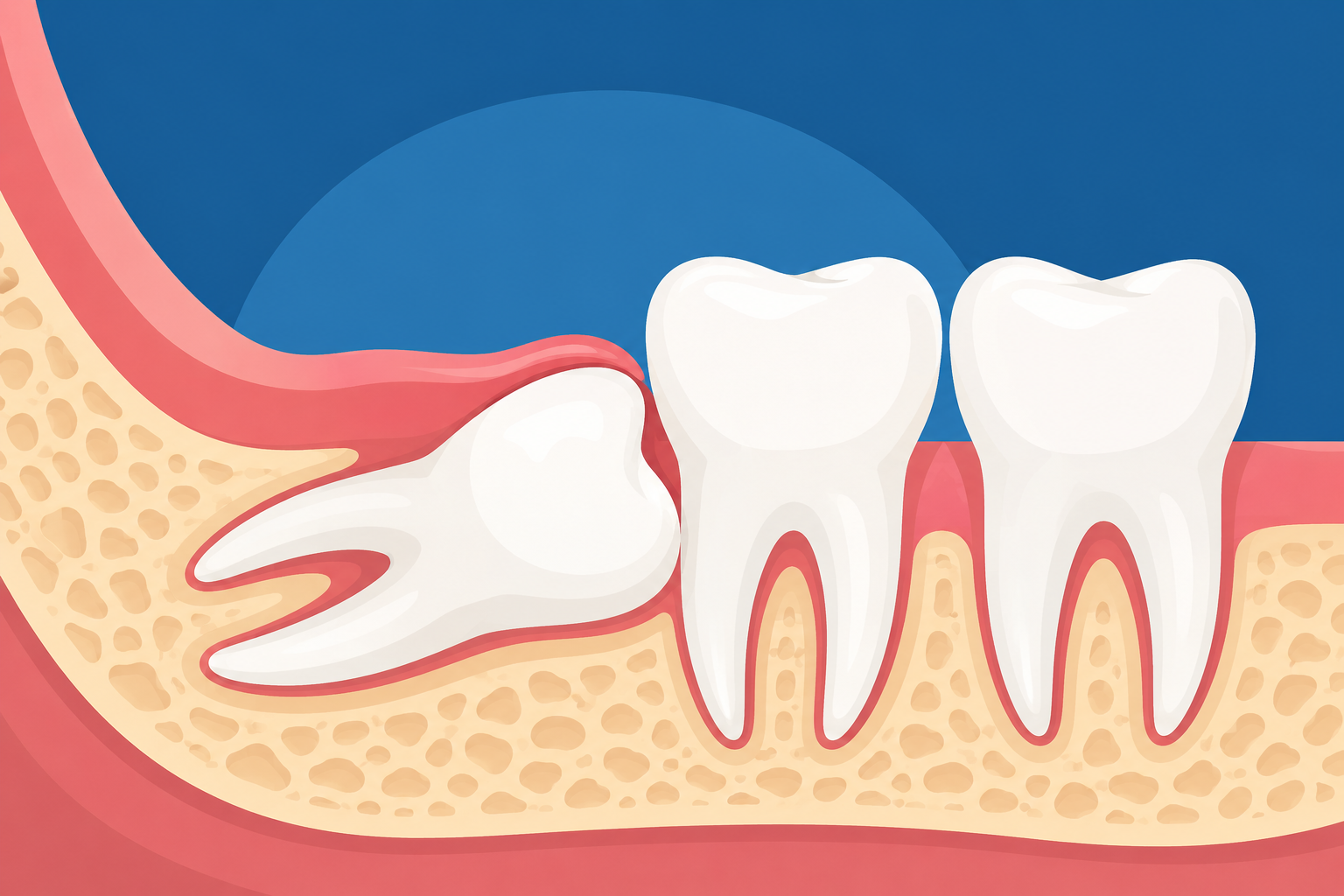
Wisdom teeth do not always grow in the way they should. In many cases, they come in at awkward angles, stay trapped below the gums, or push directly against nearby teeth. One of the most common situations oral surgeons see is sideways wisdom teeth, also known as horizontally impacted wisdom teeth.
These teeth may not seem like a major issue at first, but they can gradually lead to pain, infections, swelling, jaw pressure, and damage to surrounding teeth. In some patients, sideways wisdom teeth remain hidden for years before symptoms suddenly appear.
Understanding what happens next can help you avoid more serious oral health complications and make informed decisions about treatment. Whether you are already experiencing discomfort or recently learned about impacted wisdom teeth during a dental exam, this guide explains what causes sideways wisdom teeth, how oral surgeons treat them, and what recovery looks like afterward.
What Are Sideways Wisdom Teeth?
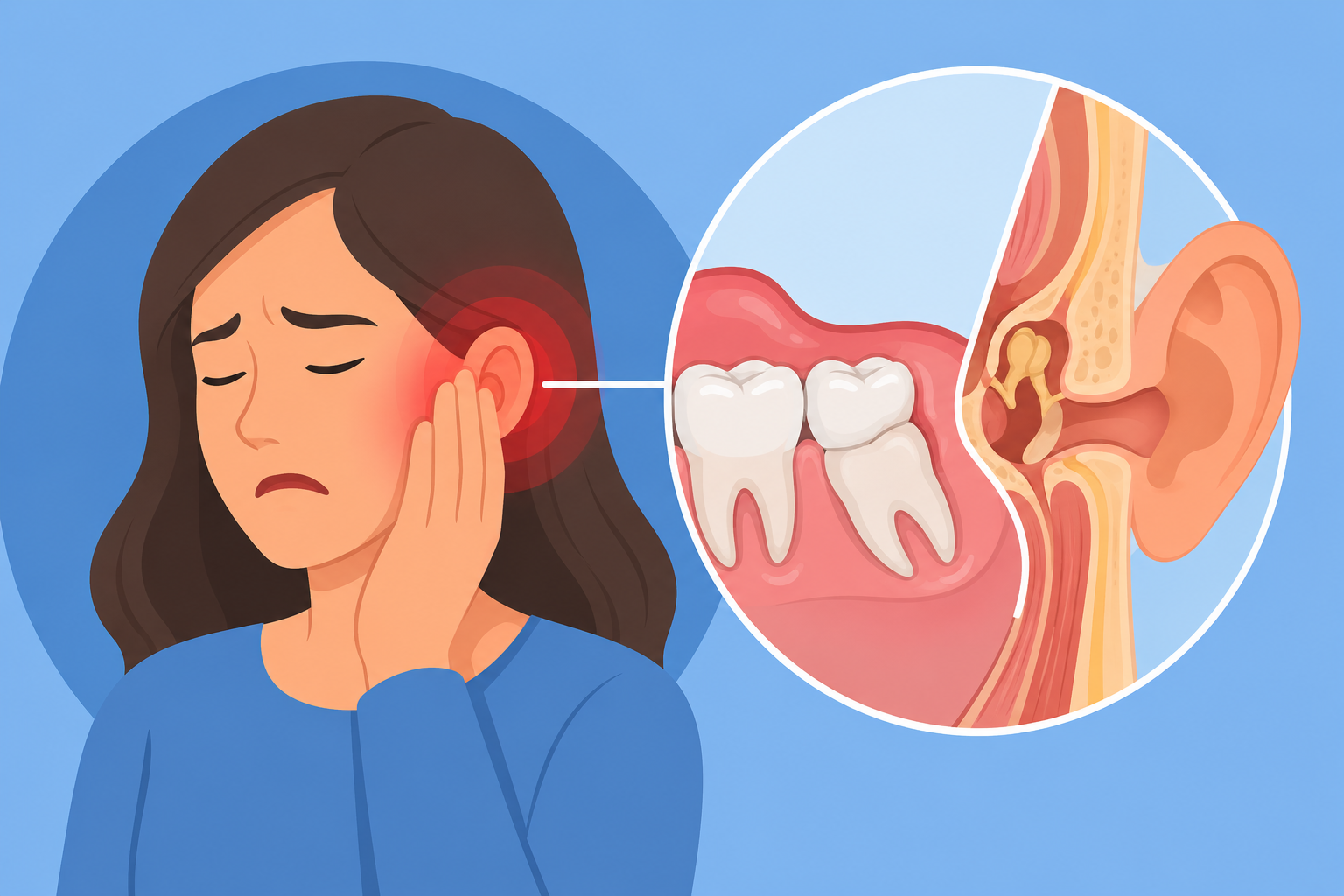
Sideways wisdom teeth occur when third molars grow horizontally instead of erupting upright like normal teeth. Rather than moving into a functional chewing position, these teeth often press into the neighboring molars or stay partially trapped beneath the gums.
This condition is considered a type of impacted wisdom tooth. It usually develops because there is not enough room in the jaw for the tooth to emerge properly.
Why Wisdom Teeth Grow Sideways
Several factors can contribute to sideways wisdom teeth, including:
- Small jaw structure
- Genetics
- Crowded teeth
- Improper eruption angle
- Delayed tooth development
Many patients are surprised to learn that wisdom teeth often serve little modern function. If you have ever wondered whether these teeth are even necessary and why they frequently become problematic today.
Common Symptoms of Sideways Wisdom Teeth
Some impacted wisdom teeth remain symptom-free for years. Others can trigger noticeable discomfort that gradually worsens over time.
Jaw Pain and Pressure
As the tooth pushes sideways against nearby molars, patients often experience jaw soreness or pressure in the back of the mouth. This discomfort may spread toward the ears, temples, or neck.
Swollen or Tender Gums
Partially erupted wisdom teeth create spaces where bacteria and food particles collect. This can irritate the surrounding gum tissue and lead to swelling or infection.
Headaches and Facial Discomfort
Pressure from impacted teeth sometimes causes tension headaches or facial pain. Patients may not immediately realize the symptoms are linked to wisdom teeth.
Difficulty Opening the Mouth
Inflammation around impacted teeth can make chewing, talking, or fully opening the jaw uncomfortable.
Bad Breath or Unpleasant Taste
Bacteria trapped around partially erupted wisdom teeth often contribute to persistent bad breath or a bad taste in the mouth.
Problems Sideways Wisdom Teeth Can Cause
Ignoring impacted wisdom teeth may lead to more than temporary discomfort. Over time, sideways wisdom teeth can affect nearby teeth, gum health, and even jawbone structure.
Damage to Nearby Teeth
One of the biggest concerns is pressure against the second molars. Continuous contact can wear down enamel, damage roots, or increase the risk of cavities.
Gum Infections
When bacteria become trapped beneath the gums, infections called pericoronitis can develop. These infections may cause swelling, pain, pus drainage, and difficulty swallowing.
Tooth Crowding
Sideways wisdom teeth can contribute to crowding, especially in patients who previously had orthodontic treatment.
Jawbone Damage
In severe cases, impacted teeth may form cysts around the tooth sac. These cysts can damage bone tissue and nearby teeth if left untreated.
Increased Risk of Tooth Decay
Because impacted wisdom teeth are difficult to clean properly, plaque buildup becomes more likely. This increases the risk of decay for both the wisdom tooth and surrounding molars.
How Oral Surgeons Diagnose Sideways Wisdom Teeth
Most impacted wisdom teeth are identified during routine dental exams using digital X-rays or panoramic imaging.
Dental X-Rays
X-rays allow oral surgeons to evaluate:
- Tooth angle and position
- Root development
- Bone structure
- Proximity to nerves
- Potential pressure on nearby teeth
Physical Examination
An oral surgeon will also examine the gums, jaw movement, swelling, and signs of infection to determine whether removal is recommended.
In many cases, patients discover impacted wisdom teeth before symptoms become severe. Early evaluation often leads to easier treatment and smoother recovery.
Do Sideways Wisdom Teeth Always Need Removal?
Not every impacted wisdom tooth requires immediate surgery. However, horizontally impacted teeth are among the most likely to create future complications.
When Removal Is Usually Recommended
Oral surgeons commonly recommend removal when patients experience:
- Pain or swelling
- Gum infections
- Tooth crowding
- Damage to nearby teeth
- Jaw cysts
- Difficulty cleaning the area
Even symptom-free wisdom teeth may still require monitoring because problems can develop gradually over time.
What Happens During Wisdom Teeth Removal?
Many patients feel anxious about oral surgery, especially when impacted teeth are involved. Fortunately, modern wisdom tooth procedures are highly routine and carefully planned.
Sedation and Comfort Options
Depending on the complexity of the extraction, patients may receive:
- Local anesthesia
- IV sedation
- General anesthesia
The goal is to keep the procedure as comfortable and stress-free as possible.
Removing the Impacted Tooth
For sideways wisdom teeth, the oral surgeon typically:
- Makes a small incision in the gums
- Removes surrounding bone if necessary
- Carefully sections the tooth into smaller pieces
- Extracts the tooth safely
- Cleans and closes the area with stitches
The procedure itself is usually faster than many patients expect.
Wisdom Teeth Recovery Timeline
Recovery varies depending on the tooth position and the patient’s healing response. Most people return to normal routines within several days.
First 24 Hours
Patients may experience:
- Mild bleeding
- Swelling
- Jaw soreness
- Fatigue
Rest and hydration are important during this stage.
Days 2–3
Swelling typically peaks during this period before gradually improving.
Cold compresses and soft foods help reduce discomfort.
One Week Later
Most patients notice major improvement after the first week. Stitches may dissolve naturally or be removed during a follow-up visit.
Full Healing
Complete healing beneath the gums and bone can continue for several weeks or months.
Patients often ask when physical activity is safe again after oral surgery, Returning to exercise after oral surgery explains how to safely resume workouts during recovery.
Managing Wisdom Teeth Pain After Surgery
Post-surgical discomfort is normal, but it is usually manageable with proper aftercare.
Ice Packs and Rest
Cold compresses reduce swelling and provide relief during the first two days.
Soft Food Diet
Foods like yogurt, soup, mashed potatoes, smoothies, and eggs are easier on healing gums.
Oral Hygiene
Gentle rinsing and careful brushing help prevent infection without irritating the surgical site.
Why Early Treatment Often Leads to Easier Recovery
Younger patients usually recover faster because their roots and jawbone are less developed.
Waiting too long may increase:
- Surgical difficulty
- Healing time
- Risk of complications
- Chance of infection or tooth damage
Early evaluation allows oral surgeons to identify problems before they become more severe.
Wisdom Teeth and Long-Term Oral Health
Removing problematic wisdom teeth can help protect nearby teeth and preserve overall oral health for the future.
Patients who have undergone other oral procedures often understand how important long-term dental care can be. Proper maintenance after treatment plays a major role in protecting your smile, similar to the long-term care for dental implants properly.
When to See an Oral Surgeon
You should schedule an evaluation if you experience:
- Persistent jaw pain
- Swollen gums
- Difficulty chewing
- Pressure behind the molars
- Repeated infections
- Headaches linked to wisdom teeth
Even mild symptoms can signal developing complications beneath the surface.
Book an Appointment
If you are dealing with pain, swelling, or impacted wisdom teeth, scheduling an evaluation early can help prevent more serious complications later on.
FAQ About Sideways Wisdom Teeth
Are sideways wisdom teeth dangerous?
They can become problematic if left untreated. Sideways wisdom teeth may damage nearby teeth, cause infections, or create cysts inside the jawbone.
Can sideways wisdom teeth straighten on their own?
In most cases, horizontally impacted wisdom teeth do not correct themselves because there is not enough room in the jaw.
Is wisdom teeth removal painful?
The procedure itself is not painful because anesthesia or sedation is used. Mild soreness afterward is common but manageable during recovery.
How long does recovery take after wisdom teeth removal?
Most patients recover within a few days to one week, although complete healing beneath the gums can take longer.
What age is best for wisdom teeth removal?
Many oral surgeons recommend evaluation during the late teens or early twenties because recovery is often easier at a younger age.
Can impacted wisdom teeth cause headaches?
Yes. Pressure from impacted teeth can sometimes contribute to headaches, jaw tension, and facial discomfort.
What happens if impacted wisdom teeth are not removed?
Untreated impacted teeth may increase the risk of infection, gum disease, tooth damage, and cyst formation over time.
Wisdom Tooth Removal Aftercare: How to Sleep Better
May 1, 2026
Wisdom Teeth vs. Other Molars: What’s the Real Difference?
January 1, 2026

Early vs. Late Wisdom Tooth Removal: Which Is Better?
January 7, 2026
Bleeding Gums? Simple Home Remedies That Actually Help
April 29, 2026
Can Wisdom Teeth Cause Ear Pain?
May 13, 2026