Is Wisdom Tooth Removal Painful? Real Patient Guide
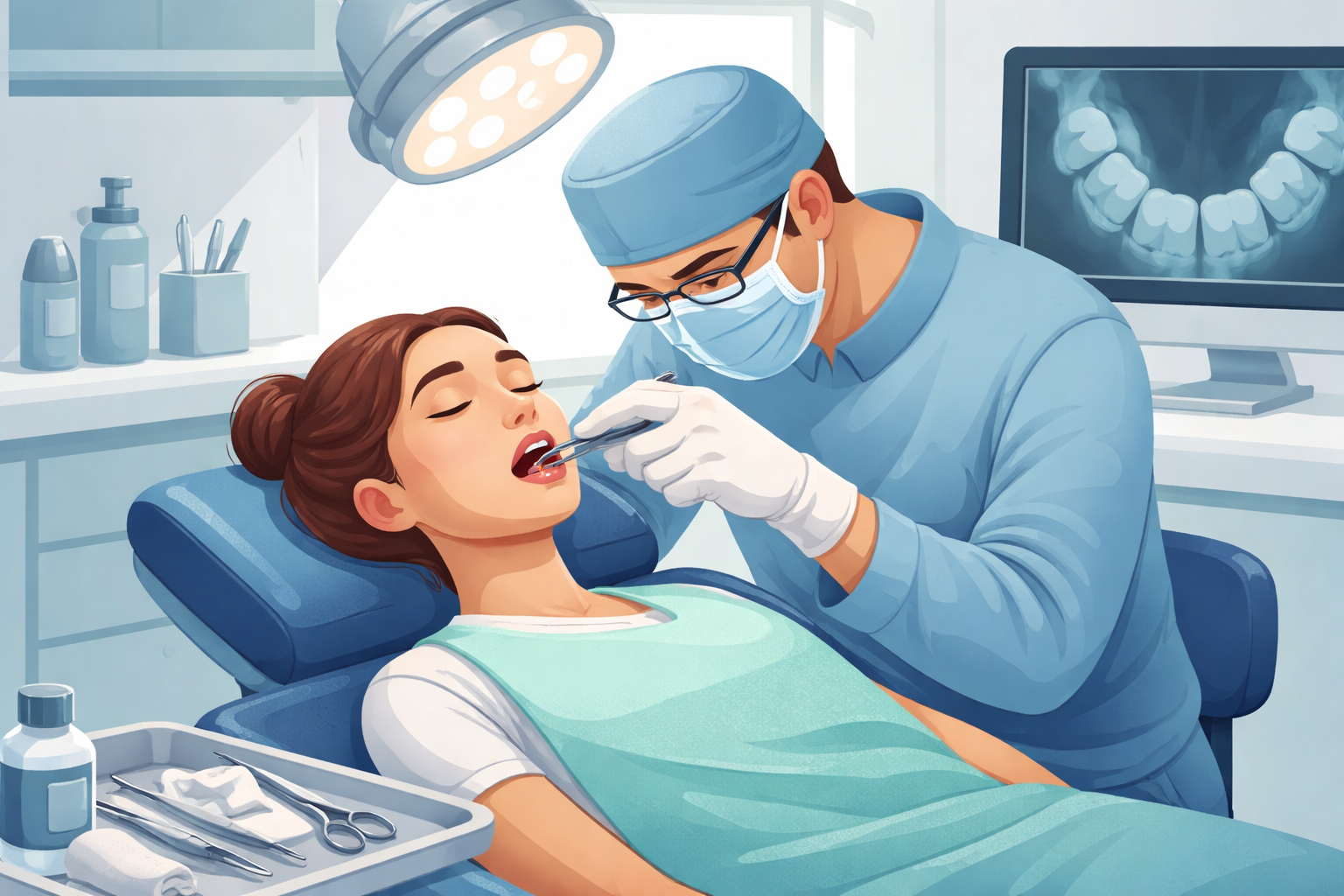
Wisdom tooth removal is one of the most common oral surgery procedures, yet it’s also one of the most feared. Many patients delay treatment because they expect extreme pain during or after the procedure. In reality, modern oral surgery techniques, anesthesia options, and recovery protocols have significantly improved the patient experience.
If you’re wondering what wisdom tooth removal actually feels like — during the procedure, immediately after, and throughout recovery — this guide will walk you through it honestly and clearly. Understanding what to expect can reduce anxiety and help you make confident decisions about your oral health.
Why Wisdom Tooth Removal Is Often Necessary
Wisdom teeth are the third set of molars that typically emerge between ages 17 and 25. While some people never experience problems, many patients develop complications due to limited space in the jaw.
Common Reasons for Removal
Impaction
When wisdom teeth cannot fully erupt, they become trapped in the gums or jawbone. This can cause pressure, pain, and infection risk.
Infection and Gum Disease
Partially erupted wisdom teeth create pockets where bacteria can grow, leading to swelling, bad taste, and recurring infections.
Damage to Nearby Teeth
Impacted wisdom teeth can push against second molars, causing structural damage or increasing cavity risk.
Early removal often prevents more complex and painful problems later.
Is Wisdom Tooth Removal Painful During Surgery?
The short answer is no — you should not feel pain during the procedure.
Modern oral surgery focuses heavily on patient comfort using local anesthesia, sedation options, or general anesthesia when appropriate.
Local Anesthesia
Local anesthesia numbs the surgical area completely. You may feel pressure or movement but not sharp pain.
Most simple extractions use local anesthesia alone.
IV Sedation
IV sedation helps patients feel deeply relaxed or sleep-like during surgery. Many patients remember little or nothing about the procedure.
This option is especially helpful for patients with dental anxiety.
General Anesthesia
In complex surgical cases, general anesthesia may be recommended. You will be fully asleep during the procedure.
Your oral surgeon determines the safest and most comfortable option based on your case and medical history.
What Patients Usually Feel During Removal
Even though pain is controlled, patients may notice:
- Pressure sensation
- Tugging or movement
- Vibration from surgical instruments
- Slight jaw stiffness
These sensations are normal and temporary. They do not indicate pain or complications.
Most procedures take 30 to 60 minutes depending on complexity.
Pain Levels Immediately After Surgery
Once anesthesia wears off, mild to moderate discomfort is normal. However, most patients describe recovery pain as manageable with prescribed medication and home care instructions.
First 24 Hours
You may experience:
- Mild bleeding
- Swelling
- Jaw stiffness
- Dull aching sensation
Ice packs and medication usually control symptoms well.
Days 2–3
Swelling typically peaks during this period. Some soreness is normal, especially when opening your mouth or chewing.
Days 4–7
Pain usually decreases significantly. Many patients return to normal daily routines within a few days.
How Pain Compares to Other Dental Procedures
Many patients are surprised to learn wisdom tooth removal is often less painful than they expected.
Compared to:
- Severe tooth infection pain — surgery is usually easier
- Untreated impacted wisdom teeth — removal often relieves chronic discomfort
- Root canal recovery — similar or sometimes easier recovery timeline
The anticipation of pain is often worse than the actual experience.
Factors That Affect Pain Levels
Not every patient experiences recovery the same way. Several factors influence pain levels.
Tooth Position
Fully erupted wisdom teeth are usually easier to remove, resulting in faster recovery.
Impacted or sideways teeth may require surgical extraction, which can slightly increase recovery time.
Age
Younger patients often heal faster because bone is less dense and roots are less developed.
Overall Health
Healthy immune systems typically recover faster and with fewer complications.
Following Aftercare Instructions
Proper aftercare dramatically reduces pain and speeds healing.
How to Reduce Pain After Wisdom Tooth Removal
Following post-surgery instructions is critical for comfort and healing.
Use Medication as Directed
Take prescribed medication before pain becomes severe. Staying ahead of discomfort improves recovery.
Ice Therapy
Apply ice packs in 20-minute intervals during the first 24 hours to control swelling.
Soft Food Diet
Stick to soft foods like:
- Yogurt
- Mashed potatoes
- Scrambled eggs
- Smoothies
Avoid straws, spicy foods, and crunchy snacks early in recovery.
Rest and Hydration
Sleep and hydration help your body heal faster and reduce inflammation.
When Pain Might Indicate a Problem
While mild discomfort is normal, severe or worsening pain may signal complications.
Possible Warning Signs
- Severe pain starting 3–5 days after surgery
- Bad taste or smell
- Fever
- Excessive swelling
These could indicate dry socket or infection. Early treatment prevents more serious issues.
Dry Socket: The Most Common Concern
Dry socket happens when the blood clot protecting the surgical site dislodges too early.
Symptoms Include
- Sharp pain radiating to ear or jaw
- Visible bone in extraction site
- Bad breath
Dry socket is treatable but can be uncomfortable, which is why prevention is important.
Avoid smoking, straws, and aggressive rinsing during early recovery.
Why Patients Often Say It Was Easier Than Expected
Many patients delay treatment because they imagine worst-case scenarios. After surgery, common feedback includes:
“I should have done this sooner.”
“It wasn’t nearly as bad as I expected.”
“The recovery was manageable.”
Modern oral surgery prioritizes comfort, precision, and faster healing outcomes.
When to Consider Scheduling a Consultation
If you are experiencing:
- Jaw pressure
- Gum swelling
- Recurring infections
- Headaches or ear discomfort
- Crowding or shifting teeth
It may be time to talk to an oral surgeon. Many patients choose to schedule consultation early to evaluate wisdom tooth position before symptoms worsen
The Long-Term Benefits of Removal
Removing problematic wisdom teeth can prevent:
- Chronic infections
- Bone loss
- Damage to adjacent teeth
- Orthodontic relapse
- Cyst formation
Preventive removal often means simpler surgery and faster recovery.
Final Thoughts
Wisdom tooth removal is far less painful than many patients expect. With modern anesthesia, sedation options, and improved surgical techniques, the procedure is designed to minimize discomfort and support fast recovery.
The biggest mistake many patients make is waiting until severe pain or infection develops. Early evaluation often leads to simpler treatment and better outcomes.
If you are experiencing symptoms or have been told your wisdom teeth may cause future problems, speaking with an oral surgeon can help you understand your options and timeline.
Do Seniors Need Wisdom Tooth Removal Later in Life?
March 19, 2026

How Safe Is Modern Oral Surgery? What Patients Need to Know
December 30, 2025
Food Stuck in Wisdom Tooth Hole? What You Should Do
April 23, 2026
Wisdom Teeth Problems That May Lead to Serious Cysts
May 19, 2026
Why Your Tooth Hurts When You Bite Down
April 17, 2026