Food Stuck in Wisdom Tooth Hole? What You Should Do
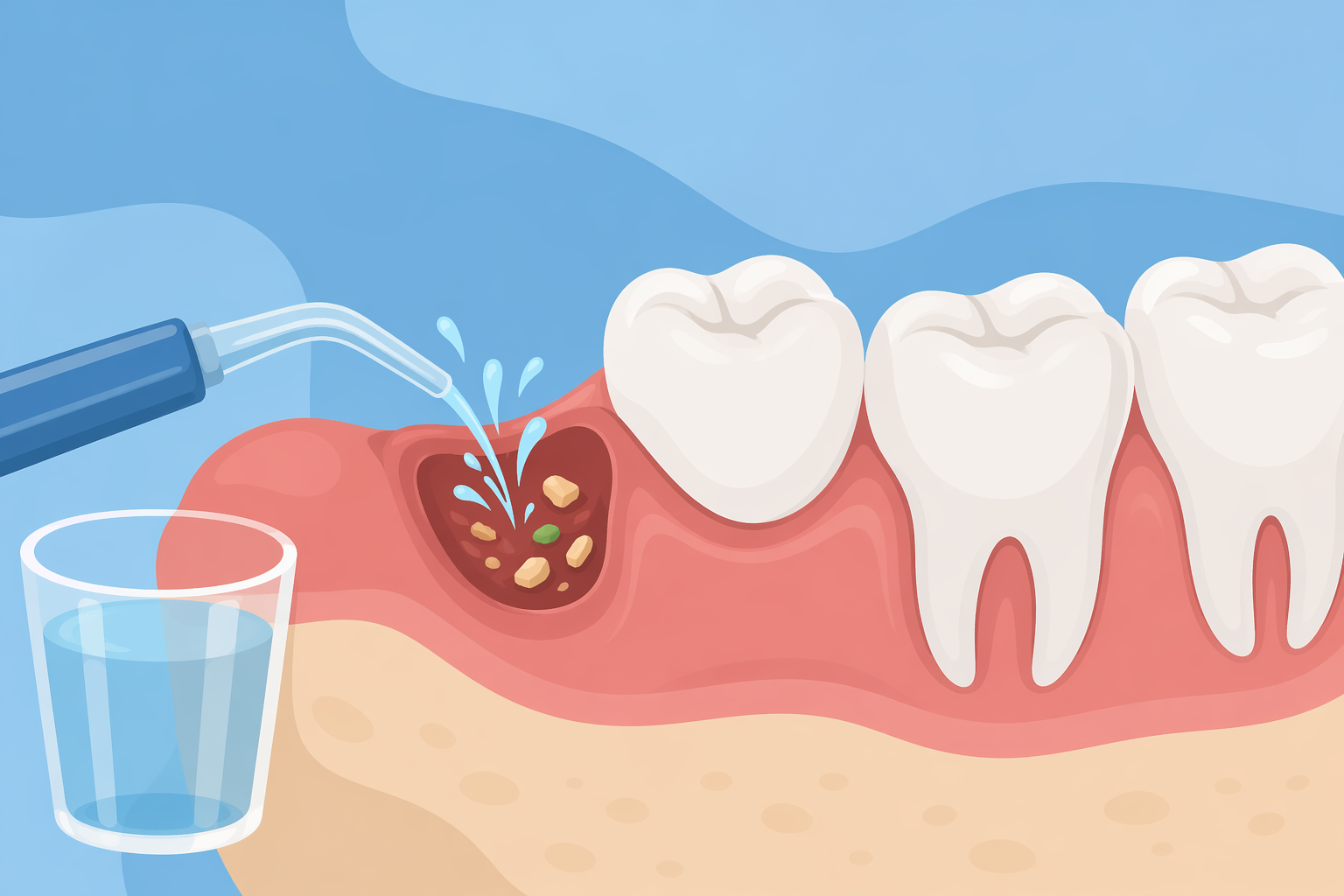
If you have food stuck in a wisdom tooth hole, it can feel unpleasant fast. You may notice pressure, a bad taste, mild pain, or the sense that something is not healing the way it should. This is a common concern after wisdom tooth removal, and in many cases, it can be managed safely at home with the right steps.
The key is to stay calm and avoid doing anything aggressive. The empty space left behind after an extraction needs time to close naturally. While food trapped in the area can be annoying, forcing it out the wrong way can irritate the tissue, delay healing, or even raise the risk of complications. Knowing what to do when food gets stuck in a wisdom tooth hole can help you protect the site, stay comfortable, and recover with fewer problems.
In this guide, you will learn why food gets stuck, what you should do right away, what to avoid, when to call an oral surgeon, and how to keep the area cleaner while it heals.
Why Food Gets Stuck in a Wisdom Tooth Hole
After a wisdom tooth is removed, the body begins healing by forming a blood clot in the socket. That clot protects the bone and nerves underneath while new tissue grows over the area. During the early stage of recovery, there is still an opening where food particles can collect.
This tends to happen more often with lower wisdom teeth because the sockets are usually deeper. Soft foods, rice, shredded meat, bread, and small pieces of vegetables can slip into the space without much effort. Even if you are being careful, it is still possible for food debris to settle there during meals.
In most cases, this does not mean anything has gone wrong. It simply means the site is still healing and needs gentle care.
What to Do Right Away
If food is stuck in the hole, resist the urge to dig at it. That is the most important first step.
A lot of people reach for a toothpick, toothbrush bristle, fingernail, or cotton swab. That may seem like a quick fix, but it can disturb the healing tissue and make the situation worse. The area is delicate, especially during the first several days after extraction.
Instead, take a more careful approach.
Rinse Gently With Warm Salt Water
A warm salt water rinse is usually the safest first move once your surgeon says rinsing is okay. It can help loosen debris without scraping the socket.
Mix a small amount of salt into a glass of warm water and gently move it around your mouth. Do not swish hard. Let the water roll across the area and then open your mouth over the sink so it falls out naturally.
This may remove the food particle on the first try. If not, it can still help soften and loosen it.
Use an Irrigation Syringe if You Were Given One
Some patients are given a curved-tip syringe to help flush out lower extraction sites after the first phase of healing. If your oral surgeon instructed you to use one, follow those directions closely.
Fill the syringe with warm water or a salt water solution and carefully aim beside the socket, not deep into it with pressure. A gentle stream is usually enough to dislodge trapped food.
Let the Area Settle
Sometimes food that feels firmly stuck will come out on its own later with gentle rinsing, hydration, and time. The goal is not to make the socket perfectly spotless every minute of the day. The goal is to keep it reasonably clean without traumatizing the healing tissue.
That is an important difference, and it can save you from overdoing it.
What You Should Not Do
When people panic about food stuck in a wisdom tooth hole, they often create a bigger problem by trying too hard to fix it. Certain habits can interfere with healing even if they seem harmless.
Do Not Pick at the Socket
Avoid toothpicks, tweezers, fingernails, or anything sharp. Even a soft object can irritate the tissue if you keep poking around.
The extraction site is not like a regular gap between teeth. It is a healing surgical area. Disturbing it can cause bleeding, pain, or clot disruption.
Do Not Rinse Aggressively
Strong swishing can be risky, especially early in recovery. Too much force may dislodge the protective clot, which can expose the socket and increase your chance of dry socket.
Gentle is always better.
Do Not Use High Suction
Avoid straws, forceful spitting, or any habit that creates strong pressure in your mouth. These actions can interfere with healing during the first several days after surgery.
Do Not Assume Pain Means Infection
Mild soreness, tenderness, or pressure can be normal. Not every uncomfortable feeling means something serious is happening. Still, if pain becomes sharper, worsens suddenly, or comes with swelling, fever, foul odor, or a bad taste that does not improve, it is worth getting checked.
How Long Food Can Get Trapped There
This depends on how deep the socket is, where the tooth was located, and how your body heals. Some extraction holes begin closing fairly quickly, while others can collect food for several weeks.
Lower wisdom tooth sockets often stay open longer than patients expect. That does not always mean healing is delayed. The gum tissue may still be recovering normally from the bottom upward.
In other words, the hole can still look open on the surface while important healing is happening underneath.
This is why aftercare matters. Keeping the site clean without irritating it helps support the healing process while the opening gradually becomes smaller.
Signs the Site Is Healing Normally
It helps to know what normal healing looks like so you do not mistake a routine issue for an emergency.
Here are some reassuring signs:
Mild Soreness That Improves Over Time
You may feel some discomfort when chewing or cleaning around the site, but it should gradually ease rather than intensify.
Less Swelling Each Day
Swelling often peaks within the first couple of days and then slowly comes down. Minor puffiness can linger, but it should trend in the right direction.
No Heavy Bleeding
A little pink saliva or slight spotting can happen early on, but active bleeding should not continue.
The Socket Looks Like a Healing Surgical Site
It may appear dark, hollow, or uneven at first. That can be normal. Not every socket looks clean and smooth while it heals.
When Food Stuck in the Hole Becomes a Problem
Food stuck in a wisdom tooth hole is usually more irritating than dangerous, but there are times when it deserves closer attention.
Call your oral surgeon if you notice any of the following:
Increasing Pain Instead of Gradual Improvement
If discomfort suddenly gets worse after initially improving, that can signal a complication.
Persistent Bad Taste or Odor
A brief unpleasant taste after eating is one thing. Ongoing foul taste or odor, especially with pain, may point to trapped debris or infection.
Swelling That Returns or Worsens
Swelling that starts going down and then flares up again should be evaluated.
Fever or Difficulty Opening Your Mouth
These symptoms are not typical for simple food trapping and should be checked.
You Cannot Remove the Debris Safely
If food seems firmly lodged and gentle rinsing is not helping, your surgeon can clean the area safely.
Some patients are surprised by how often dental concerns overlap. For example, people who need surgical care for extractions often first learn more about oral surgery referrals, especially when a general dentist sees a deeper issue that needs specialized treatment.
The Best Way to Keep the Area Clean
Your oral surgeon may adjust your instructions based on the complexity of the extraction, but these habits are usually helpful during recovery.
Stick With Soft Foods at First
Soft foods are less likely to break into sharp or stubborn fragments. Yogurt, mashed potatoes, soup, eggs, smoothies eaten by spoon, and soft pasta are easier on the surgical site.
Crunchy foods, seeded foods, chips, nuts, and sticky foods are more likely to cause trouble.
Chew on the Opposite Side
If only one side was treated, chew away from the extraction site as much as possible. This lowers the chance of pushing food directly into the socket.
Rinse After Meals
A gentle rinse after eating helps prevent buildup. This one habit makes a big difference for many patients.
Follow Your Irrigation Instructions Carefully
If you were told to use a syringe, timing matters. Starting too early or flushing too forcefully can irritate the socket. Starting at the right time with the right technique can make the recovery period much easier.
Can You Leave Food in the Hole?
Sometimes a tiny bit of food will come out later on its own as you rinse and heal. That said, you should not knowingly leave larger particles sitting there day after day.
The better approach is gentle removal, not forceful removal and not complete neglect. You want to help the site stay reasonably clean while letting the tissue recover naturally.
If you are unsure whether what you are seeing is food, healing tissue, or the blood clot itself, do not poke at it. That is exactly when calling your surgeon is the safest move.
Could This Lead to Dry Socket?
Food itself does not automatically cause dry socket. Dry socket usually happens when the protective blood clot is lost too early, exposing the bone underneath.
What increases the risk is aggressive cleaning, suction, smoking, or forceful rinsing. In many cases, the bigger danger is not the food particle but the patient trying too hard to remove it.
That is why a gentle approach matters so much.
Tips to Prevent Food From Getting Stuck Again
Once you have dealt with it once, the next priority is avoiding a repeat.
Choose Recovery-Friendly Foods
Pick softer meals that do not crumble into the socket easily. Even healthy foods can be annoying if they break into small bits.
Eat Slowly
Rushing through meals increases the chances that food will pack into the extraction area.
Keep Up With Gentle Oral Hygiene
Brush the rest of your teeth normally unless your surgeon tells you otherwise, but be cautious near the surgical site.
Stay Consistent With Follow-Up Care
If your surgeon wants to see you again, keep the appointment. A quick check can confirm that healing is on track and that the socket is staying clean.
Why Professional Follow-Up Matters
Every extraction is a little different. A simple wisdom tooth removal and a more complex surgical extraction do not heal exactly the same way. Depth of the socket, angle of the tooth, gum condition, and the difficulty of the procedure all affect recovery.
That is why personalized aftercare matters. General advice is useful, but it does not replace specific instructions from the surgeon who treated you.
In some cases, patients dealing with one oral health problem later discover a second issue that also needs expert care. It is one reason many people benefit from learning about related procedures and long-term planning, including concerns around preventing implant problems when tooth loss or restoration becomes part of the bigger picture.
When to Schedule an Appointment
If food keeps getting stuck in your wisdom tooth hole, the site is painful, or you are not sure whether it is healing properly, it is better to get clear answers than to guess.
A quick exam can tell you whether the socket is healing normally, whether debris needs to be flushed out, or whether there is an issue that needs treatment. That kind of reassurance can make recovery a lot less stressful.
Conclusion
Food stuck in a wisdom tooth hole is a very common recovery issue, and in most cases, it is manageable. The safest response is to stay gentle, avoid picking at the area, rinse carefully, and follow your surgeon’s instructions. What you do not do is just as important as what you do.
Most importantly, pay attention to the overall pattern. If the site is gradually improving, that is a good sign. If pain, swelling, odor, or discomfort are getting worse, reach out to an oral surgeon. A healing socket needs patience, not force.
FAQ
Is it normal for food to get stuck in a wisdom tooth hole?
Yes. It is very common, especially with lower wisdom tooth sockets. The opening can catch food while the tissue is still healing.
Can I use a toothpick to remove food from the hole?
No. A toothpick or any sharp object can injure the healing site and disturb the blood clot. Stick to gentle rinsing or surgeon-approved irrigation.
How do I get food out of a wisdom tooth hole safely?
The safest first step is a gentle warm salt water rinse if your surgeon has cleared you to rinse. If you were given an irrigation syringe, use it exactly as instructed.
What if the food will not come out?
If gentle rinsing does not work, contact your oral surgeon. They can clean the area safely without damaging the socket.
Does food stuck in the hole mean I have an infection?
Not necessarily. Food trapping is common and often harmless. Infection is more likely if you also have worsening pain, swelling, fever, pus, strong odor, or a persistent bad taste.
How long will the hole stay open after wisdom tooth removal?
It varies. Some sockets begin closing quickly, while deeper ones can trap food for several weeks. Lower extraction sites often take longer to close.
Can food stuck in the hole cause dry socket?
Food alone does not usually cause dry socket. The bigger risk comes from aggressive rinsing, suction, smoking, or poking at the site and disturbing the clot.
Can Impacted Wisdom Teeth Cause Front Teeth Discomfort?
June 4, 2026

Nervous About Oral Surgery? Here's How to Prepare Mentally
June 11, 2026

Questions to Ask Before Wisdom Tooth Extraction
December 23, 2025

Tips for Managing Pain Without Overusing Medication
March 10, 2026

After Tooth Extraction: How to Keep Other Teeth Safe
March 25, 2026